Plan Your Custom Concrete Work Today
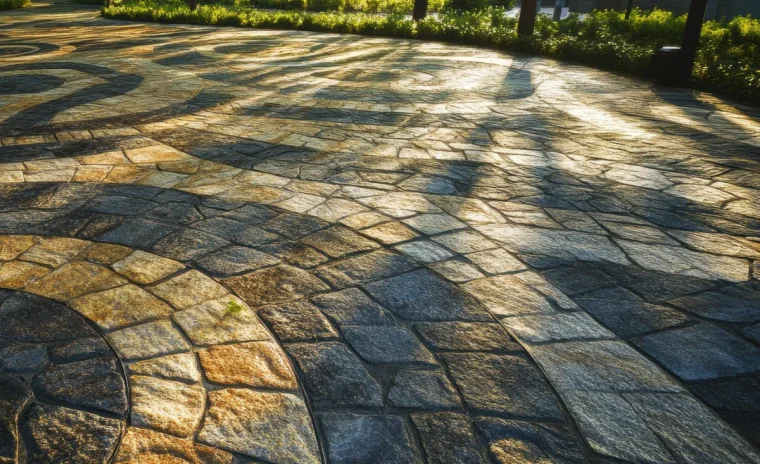
Popular Stamped Concrete Design Styles and Patterns
Homeowners throughout the Rifle area and surrounding mountain communities consistently gravitate toward patterns that echo the natural landscape. Ashlar slate, flagstone, and cobblestone textures remain the most requested styles because they blend seamlessly with Colorado’s rugged terrain and complement the regional architecture found in Glenwood Springs, Carbondale, and Aspen. These organic patterns create visual continuity between your hardscape and the surrounding environment, making outdoor spaces feel intentional rather than imposed.
The choice of pattern should reflect your home’s architectural character. Ranch-style homes with horizontal lines benefit from large-format ashlar patterns that mirror the building’s proportions, while mountain modern designs pair beautifully with geometric tile patterns or wood plank stamps that add contemporary refinement. Properties with rustic log or stone exteriors achieve the most cohesive results with irregular flagstone patterns that reinforce the natural aesthetic without competing for attention.
Regional preferences also lean toward seamless textures rather than heavily articulated borders. The strong afternoon sun in Rifle casts pronounced shadows, so subtler relief patterns maintain visual balance throughout the day. Consider how your chosen design will appear in both morning shade and late-day sunlight when evaluating samples, and think about sightlines from inside your home where you will view the finished surface most frequently during winter months.
Durability and Longevity in Colorado’s Climate
Properly installed stamped decorative concrete thrives in Colorado’s demanding climate when the foundation work accounts for freeze-thaw cycling. The key lies in correct base preparation, adequate depth, proper slope for drainage, and strategic placement of control joints. Surfaces installed with attention to these fundamentals routinely perform for twenty to thirty years with minimal intervention, outlasting alternative materials like pavers that shift during freeze cycles or wood decking that deteriorates under UV exposure.
The elevation and temperature swings between Rifle and higher communities like Aspen create specific challenges. Surfaces experience rapid temperature changes, particularly during spring when daytime warmth and nighttime freezing occur in the same twenty-four-hour period. This makes the curing process critical. Projects installed during stable weather windows in late spring or early fall cure more uniformly and develop better internal strength than those rushed during temperature extremes.
Maintenance requirements remain modest compared to other hardscape options. Annual cleaning and resealing every two to three years protects the surface from moisture infiltration and UV degradation. Winter presents the only seasonal consideration: avoiding deicing salts and metal shovels preserves both color and texture. Properties that follow this straightforward maintenance schedule see surfaces that look remarkably similar to installation day even after fifteen years of mountain weather exposure.
Installation Process and Timeline Expectations
A typical residential stamped concrete installation spans five to seven days from site preparation through final sealing, though this timeline extends when weather conditions require adjustments. The process begins with excavation and base preparation, which accounts for roughly forty percent of the project timeline but determines long-term performance. Contractors establish proper grade, compact aggregate base material, install reinforcement, and set forms before any concrete arrives on site.
The actual stamping occurs within a precise window after the concrete pour. Timing depends on ambient temperature, humidity, and wind conditions, all of which vary significantly in mountain environments. A project in Rifle during a dry July afternoon requires different timing than the same project in Glenwood Springs during a humid September morning. This is where contractor experience becomes invaluable; knowing when the surface has reached the ideal firmness for stamping without disturbing the pattern separates acceptable results from exceptional ones.
Weather represents the largest variable in mountain project scheduling. Concrete requires temperatures above forty degrees Fahrenheit for proper curing, and stamped surfaces need dry conditions for at least forty-eight hours after finishing. Spring projects occasionally face delays when late-season storms arrive, while fall installations must conclude before consistent nighttime freezing begins. Most contractors in the Rifle area schedule stamped concrete work between May and October, with June through September offering the most predictable conditions. Building flexibility into your timeline accounts for these regional realities and ensures the installation receives proper curing time rather than being rushed to meet arbitrary deadlines.
Color and Finish Options for Mountain Environments
Color selection for stamped concrete in Colorado requires balancing aesthetic preferences with practical considerations specific to high-altitude environments. Earth tones in the tan, brown, and gray families remain popular throughout the Rifle region because they complement natural surroundings and disguise the fine dust that settles on horizontal surfaces during dry periods. Warmer tones also absorb heat efficiently, which helps snow melt faster on driveways and walkways during winter months.
Colorado’s intense UV exposure at elevation affects pigment longevity differently than at lower altitudes. Surfaces face roughly twenty-five percent more ultraviolet radiation in Rifle compared to sea-level locations, which accelerates color fading in certain pigment families. Integral color mixed throughout the concrete depth performs better than surface-applied color releases in high-UV environments, and periodic resealing with UV-inhibiting products extends color vibrancy significantly. Homeowners who prefer richer, more saturated colors should anticipate more frequent sealing intervals to maintain the initial appearance.
Finish texture influences both aesthetics and function. A moderate texture provides sufficient traction for safe foot traffic during wet or icy conditions without creating surfaces that are difficult to clean or uncomfortable for bare feet around pool areas. Smooth finishes show wear patterns more readily and can become slippery when wet, while heavily textured surfaces trap debris and require more intensive cleaning. The most practical approach combines a natural texture that suits the chosen pattern with a satin-finish sealer that enhances color depth without creating excessive gloss that appears artificial against mountain landscapes.
Cost Considerations and Long-Term Value
Stamped decorative concrete installations in the Rifle area typically range from twelve to twenty dollars per square foot, with variation depending on design complexity, site accessibility, color choices, and current material costs. Single-pattern projects with one integral color occupy the lower end of this range, while custom designs incorporating multiple patterns, accent colors, and detailed borders approach the upper end. Site conditions also influence pricing: level, easily accessible locations cost less than sloped properties requiring additional excavation or areas where concrete trucks cannot reach directly.
Comparing this investment to alternatives provides helpful context. Standard broom-finish concrete costs roughly half as much but offers no aesthetic dimension, while natural stone installations typically run two to three times higher than stamped concrete and require more intensive maintenance. Pavers fall somewhere between these extremes but present long-term challenges in freeze-thaw environments where individual units shift and settling creates uneven surfaces that require periodic releveling.
The return on this investment manifests in multiple ways. Curb appeal improvements from quality hardscaping consistently rank among the highest-value exterior upgrades when properties enter the market. Real estate professionals throughout Garfield County note that homes with finished outdoor living spaces and attractive approaches command premium prices and spend less time on the market. Beyond resale considerations, stamped concrete extends usable outdoor space, reduces landscape maintenance in finished areas, and creates defined spaces that enhance how families use their property throughout Colorado’s extended outdoor season. When evaluating cost, consider the lifespan of properly installed stamped concrete and calculate the annual cost over twenty-five years rather than focusing solely on initial expenditure. This perspective reveals stamped decorative concrete as a practical long-term investment rather than an expense.